How Does the US Education System Work? A Complete Guide
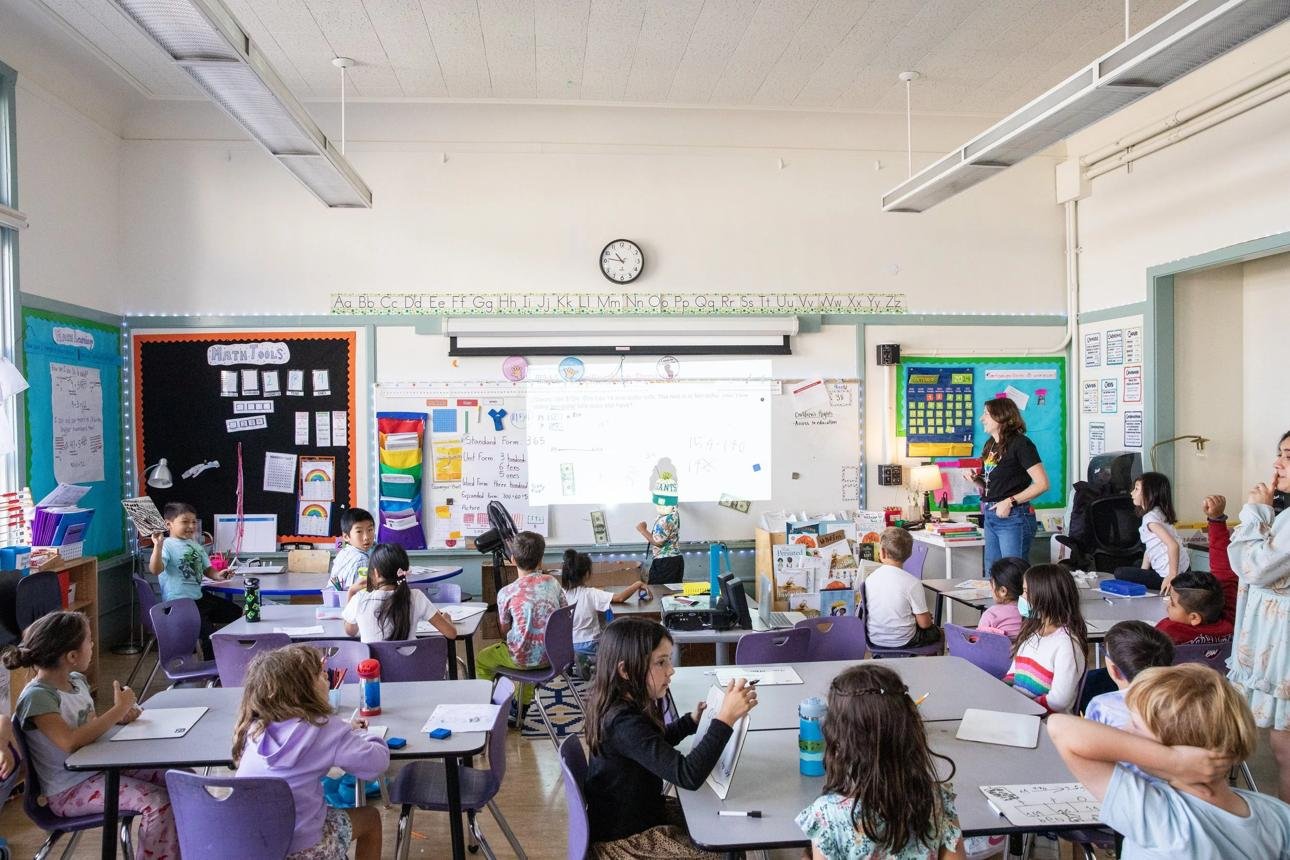
The United States has one of the largest and most diverse education systems in the world. Every year, millions of children attend elementary and high schools, while students from the USA and other countries enroll in American colleges and universities. However, the US education system can seem confusing because it is organized differently from education systems in many other countries.
Understanding how the US education system works is important for parents, students, and international applicants who want to study in America. The system includes early childhood education, elementary school, middle school, high school, and higher education. Students can also choose different types of schools, college programs, and career training options.
In this complete guide, you will learn about school levels, grade structures, academic years, grading systems, college degrees, education costs, and admission requirements in the United States.
1. Overview of the US Education System
The US education system generally has three main levels:
- Elementary education
- Secondary education
- Postsecondary education
Education is mainly managed by state and local governments rather than through one national school system. This means that school rules, curriculum standards, graduation requirements, and enrollment procedures can differ depending on the state and school district.
The federal government supports education through funding, laws, and certain national programs, but it does not control the curriculum of every American school.
Most children attend public schools, although private schools, charter schools, and homeschooling are also available. After completing high school, students can continue their education at community colleges, four-year colleges, universities, or technical institutions.
2. Early Childhood Education and Preschool
Early childhood education is the first stage of learning for many American children. It helps young students develop basic communication, social, emotional, and learning skills before entering elementary school.
Preschool is generally designed for children between three and five years old, although the age requirements depend on the program.
Common early childhood education options include:
- Preschool: Introduces children to basic learning, numbers, letters, and social activities.
- Prekindergarten (Pre-K): Prepares children for kindergarten through structured educational activities.
- Head Start: A federally supported program that provides early learning and other services to eligible young children and families.
- Childcare centers: Provide supervision and early learning activities for younger children.
Preschool is not the same as compulsory elementary education. Availability, costs, and eligibility vary by location and program.
3. Elementary School in the USA
Elementary school is where children begin formal primary education. Students usually enter kindergarten around age five, although school entry-age rules differ by state and district.
In many school districts, elementary education includes kindergarten through Grade 5. Other districts may organize elementary grades differently.
Students generally study:
- English language and reading
- Mathematics
- Science
- Social studies
- Art and music
- Physical education
During elementary school, children develop reading, writing, communication, mathematics, and problem-solving skills.
Teachers often help students understand basic subjects through classroom activities, assignments, group projects, and regular assessments.
Elementary education provides the foundation for middle school and later academic success.
4. Middle School or Junior High School
After elementary school, students usually move to middle school or junior high school.
Middle school commonly includes Grades 6–8, although some school districts use different grade arrangements. Students are generally between 11 and 14 years old during this stage.
The education system becomes more subject-focused. Instead of learning most subjects with one main classroom teacher, students may have different teachers for different subjects.
Common subjects include:
- Mathematics
- English
- Science
- History and social studies
- Foreign languages
- Computer technology
- Physical education
Students may also participate in sports, music, clubs, and other extracurricular activities.
Middle school prepares students for the academic and personal responsibilities of high school. It also helps them explore different interests before choosing advanced subjects.
5. High School Education in the USA
High school is one of the most important stages of the American education system. It usually includes Grades 9–12, with students commonly graduating around age 17 or 18.
The four high school grades are often called:
| Grade | Common name |
|---|---|
| Grade 9 | Freshman |
| Grade 10 | Sophomore |
| Grade 11 | Junior |
| Grade 12 | Senior |
Students study required subjects and may choose additional courses based on their interests and future career plans.
Typical high school subjects include English, mathematics, biology, chemistry, physics, history, government, economics, arts, and foreign languages.
Many schools also offer advanced courses, including Advanced Placement (AP) classes and other college-preparation programs.
High School Graduation Requirements
Students generally need to earn a required number of credits and complete certain courses to receive a high school diploma.
Graduation requirements vary by state and sometimes by school district. Students may also need to complete examinations, community service, or other requirements depending on local rules.
A high school diploma is an important qualification for students who want to enter college, university, or certain professional training programs.
6. Types of Schools in the United States
Families in the USA can choose from different types of schools. Each option has its own rules, costs, and educational environment.
Public Schools
Public schools are funded mainly through government sources and generally provide tuition-free education to eligible students living in their school districts.
They follow state education requirements and serve students from different backgrounds.
Private Schools
Private schools receive funding mainly through tuition, donations, and other private sources. Families generally pay fees to enroll their children.
Some private schools are religious, while others focus on independent academic programs or specialized teaching methods.
Charter Schools
Charter schools are publicly funded schools that operate under specific agreements, known as charters. They may have more flexibility in teaching methods and school management than traditional public schools.
Their admission policies and availability depend on state and local rules.
Magnet Schools
Magnet schools are public schools that often focus on specialized subjects such as science, technology, mathematics, arts, or international studies.
Some use application or selection procedures, depending on the school and district.
Homeschooling
Homeschooling allows parents or guardians to educate children outside traditional school settings. State laws determine registration, curriculum, assessment, and other requirements.
Parents should check their state’s homeschooling rules before choosing this option.
7. How Does the US College and University System Work?
After high school, students can continue their education through different types of colleges and universities.
American higher education is flexible, allowing students to choose academic degrees, professional programs, and career-focused courses.
Community Colleges
Community colleges generally offer two-year associate degree programs and technical or career training.
Students can use a community college as a more affordable starting point before transferring to a four-year university. However, transfer credits and admission requirements should be confirmed with the receiving university.
Four-Year Colleges and Universities
Students can earn bachelor’s degrees at four-year colleges and universities.
A bachelor’s degree usually takes around four years of full-time study, although the actual time depends on the program, course load, and individual progress.
Popular fields include business, engineering, computer science, education, healthcare, finance, and social sciences.
Graduate Education
Students who complete a bachelor’s degree can apply for graduate programs.
Common graduate qualifications include:
- Master’s degree: Often takes around one to two years, depending on the program.
- Doctoral degree (PhD): Focuses on advanced research and may take several years to complete.
- Professional degrees: Programs such as medicine, law, and dentistry have their own admission, education, and licensing requirements.
The exact duration of graduate study depends on the institution and subject.
8. Grading System and GPA in the USA
The US education system commonly uses letter grades to measure academic performance.
A typical grading scale looks like this:
| Letter grade | General meaning | Typical GPA |
|---|---|---|
| A | Excellent | 4.0 |
| B | Good | 3.0 |
| C | Average | 2.0 |
| D | Below average | 1.0 |
| F | Fail | 0.0 |
Some schools use plus and minus grades, percentages, or different grading policies. The table is a general example, not a universal national grading standard.
GPA stands for Grade Point Average. It represents a student’s average academic performance, commonly on a 4.0 scale.
For example, a student with strong grades in most subjects may have a GPA close to 4.0. Colleges and universities often consider GPA when reviewing applications, although admission requirements differ by institution and program.
Universities may also evaluate essays, recommendations, extracurricular activities, test scores, and other application materials.
9. Academic Calendar and School Year
The academic calendar in the USA usually begins in August or September and ends in May or June. However, exact dates vary by school district and institution.
Public and private schools commonly follow a school year divided into semesters or other reporting periods.
Colleges and universities may use different academic calendars.
Semester system: The academic year is generally divided into two main terms: fall and spring.
Quarter system: The year is divided into shorter academic terms, commonly with three main quarters.
Trimester system: The academic year is divided into three academic terms.
Students should check their school’s calendar for application deadlines, holidays, examinations, and registration dates.
10. How Much Does Education Cost in the USA?
Education costs depend on the type of school, location, institution, and program.
Public elementary and high schools generally do not charge tuition to eligible students attending their local public school. Families may still have expenses for transportation, supplies, meals, and activities.
Private schools charge tuition, which can vary significantly.
College and university education can be much more expensive. Students may need to pay for:
- Tuition and university fees
- Accommodation and housing
- Food and groceries
- Books and study materials
- Transportation
- Health insurance and personal expenses
Public universities generally have different tuition rates for in-state and out-of-state students. International students usually pay the applicable nonresident or international rate, depending on the institution.
Private universities set their own tuition and financial aid policies.
Students should compare the total cost of attendance rather than tuition alone. Scholarships, grants, and other financial assistance may reduce the amount a student needs to pay.
11. How International Students Can Study in the USA
The United States welcomes international students through its colleges, universities, and other eligible educational institutions.
Students from countries such as Pakistan, India, Bangladesh, Nigeria, and many others can apply to American institutions if they meet the admission requirements.
The general process includes:
- Choose a program: Select a subject and qualification that match your educational goals.
- Research universities: Compare tuition, accreditation, admission requirements, and scholarships.
- Prepare academic documents: Collect school certificates, transcripts, and other required records.
- Meet English requirements: Some institutions require English proficiency test results, although policies differ.
- Submit applications: Complete the institution’s application and provide supporting documents.
- Receive admission: If accepted by an eligible institution, follow its instructions for enrollment and immigration documentation.
- Apply for a student visa: Students generally need the appropriate student visa, often an F-1 visa for academic study, and must meet the relevant immigration requirements.
International students should use official university websites and the US Department of State’s student visa information when planning their applications.
Conclusion
The US education system offers several learning opportunities, from preschool and elementary school to high school, college, and graduate education. Students can choose public schools, private schools, charter schools, community colleges, universities, and specialized educational programs.
One important feature of American education is flexibility. Students can explore different subjects, select academic majors, transfer between some institutions, and continue studying at advanced levels.
However, school structures, graduation requirements, tuition fees, and admission policies vary across states and institutions. Parents and students should research their options carefully before making educational decisions.
Whether you are an American parent choosing a school or an international student planning to study in the USA, understanding how the system works is the first step toward making a successful education plan.